
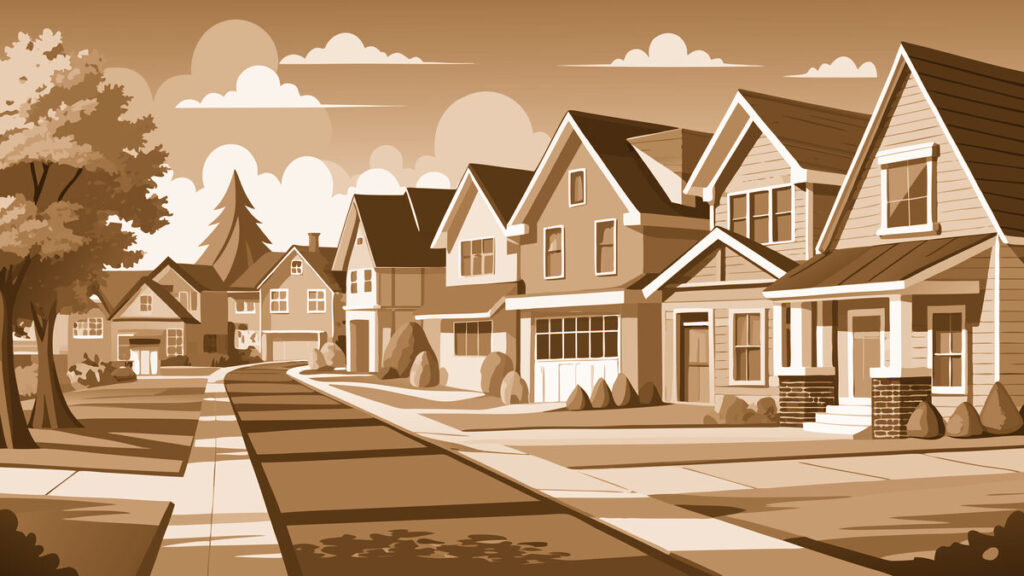
Nestled in the northwest reaches of Wellesley, the Westgate Area is a neighborhood where community warmth, leafy streets, and a sense of history quietly intertwine. For generations, Westgate has boasted a proud heritage — one that stands as a testament to Wellesley’s broader evolution while embodying unique local charm. For newcomers and lifelong residents alike, the story of Westgate is a reminder that neighborhoods are not just lines on a map, but living collectives shaped by people, moments, and enduring traditions.
Origins: From Farmland to Friendly Streets
Long before streets like Westgate Road, Nob Hill Road, and Ridge Hill Farm Road became familiar addresses, the land that would become Westgate was characterized by gently rolling fields, patchwork woodland, and early colonial homesteads. In the late 19th and early 20th centuries, this corner of Wellesley provided a peaceful retreat, buffered from the bustle of Boston, with orchards and pastureland defining much of the local landscape.
The rise of the Westgate Area as a residential neighborhood can be traced to the post-World War II housing boom. Like much of suburban America, Wellesley saw a dramatic need for new homes as returning servicemen and their families set down roots. Developers recognized the potential of Wellesley’s scenic northwest quadrant — conveniently close to Route 9 and the commuter rail, yet maintaining a rural tranquility. Thus, the Westgate Area was born, with the first homes breaking ground in the late 1940s.
The Name “Westgate”: A Welcoming Entry
How did Westgate get its name? The story is quite fitting for a neighborhood known for its sense of arrival. "Westgate" evokes the image of a gateway into Wellesley’s western flank. Legend has it, the original developers selected the name to signify the main “entry gate” to the expanding west side — a gateway both literal and symbolic. Over time, the moniker stuck, and local imagination embraced Westgate as a distinctive enclave, setting it apart from its neighboring zones.
Key Milestones: Growth, Community, and Change
Westgate’s journey from open land to vibrant neighborhood is marked by a series of important milestones:
- 1940s-1950s: The first single-family homes rise along streets such as Westgate Road and Nob Hill Road. These homes — many still standing today — reflect the classic New England architectural vernacular, with colonial and Cape Cod styles predominating.
- 1960s: Ridge Hill Reservation, a sprawling conservation area adjacent to Westgate, is established, forever protecting the woods and trails that would become a community treasure.
- 1970s-1980s: Periods of modest infill development see new homes constructed and more families moving in. The neighborhood becomes known for its robust block parties and informal networks of neighbors helping neighbors.
- 2000s-present: Renovations and tasteful updates breathe new life into mid-century homes, while newer residents carry forward Westgate’s tradition of civic involvement and neighborhood pride.
Landmarks and Local Treasures
While Westgate Area is primarily residential, its heritage is enshrined in several beloved landmarks and gathering places:
- Ridge Hill Reservation: Just steps from Westgate’s backyards, Ridge Hill offers miles of wooded trails, vernal pools, and serene vistas. For decades, this conservation area has served as an informal gathering spot for family hikes, bird walks, and winter sledding.
- Westgate Park: Though small, Westgate Park (set at the juncture of Westgate Road and Ridge Hill Farm Road) forms a green focal point for the neighborhood. In springtime, the park’s vibrant plantings and welcoming benches are a beacon for strollers and passersby.
- Nob Hill: The gently rising terrain along Nob Hill Road offers panoramic sunset views and reveals the glacial origins of Wellesley’s landscape — a subtle yet striking testament to the area’s natural history.
Streets That Tell Stories
Each road in the Westgate Area carries its own bit of lore:
- Westgate Road: Widely considered the heart of the neighborhood, this thoroughfare is lined with mature maples, flowering dogwoods, and a variety of homes whose gardens testify to decades of community care.
- Nob Hill Road: Known for its quiet, slightly winding character, Nob Hill is especially magical in autumn when its canopy blazes with color.
- Ridge Hill Farm Road: A nod to the area’s agrarian past, this storied street once traced the edge of a family dairy operation.
- Hundred Oaks and Valley Road: These tucked-away lanes provide both privacy and a sense of kinship among residents, hosting luminaries and newcomers alike over the years.
Evolution and Enduring Spirit
As Wellesley has grown and changed, so too has Westgate. Yet the essentials persist: neighborly bonds are strong, children still bike safely along tree-lined streets, and families treasure the legacy they’re both inheriting and renewing. Annual summer barbecues, winter caroling, and leaf-raking brigades have all become cherished rituals—a tapestry of shared moments that define Westgate’s character.
Many original homes have been lovingly updated, blending classic architectural lines with modern amenities. Community involvement remains high, with residents active in town affairs, conservation efforts, and local schools such as Sprague Elementary and Wellesley High—institutions that have helped anchor the area for generations.
What Makes Westgate Special Today
To walk the streets of Westgate Area is to trace the arc of Wellesley’s story: from rural beginnings to a thriving, inviting neighborhood where people look after each other and the landscape continues to delight. The elegant old maples and stone walls offer silent testimony to the passage of time, while each season brings new reasons for residents to come together.
Ask any local what makes this corner of Wellesley special, and you’ll hear about more than just beautiful homes. You’ll hear about friendships formed over backyard fences, children’s games in the park, spontaneous porch concerts, and an abiding sense that Westgate is, and always will be, a place to call home.